How Deaf And Dumb Students Overcome Challenges in Education

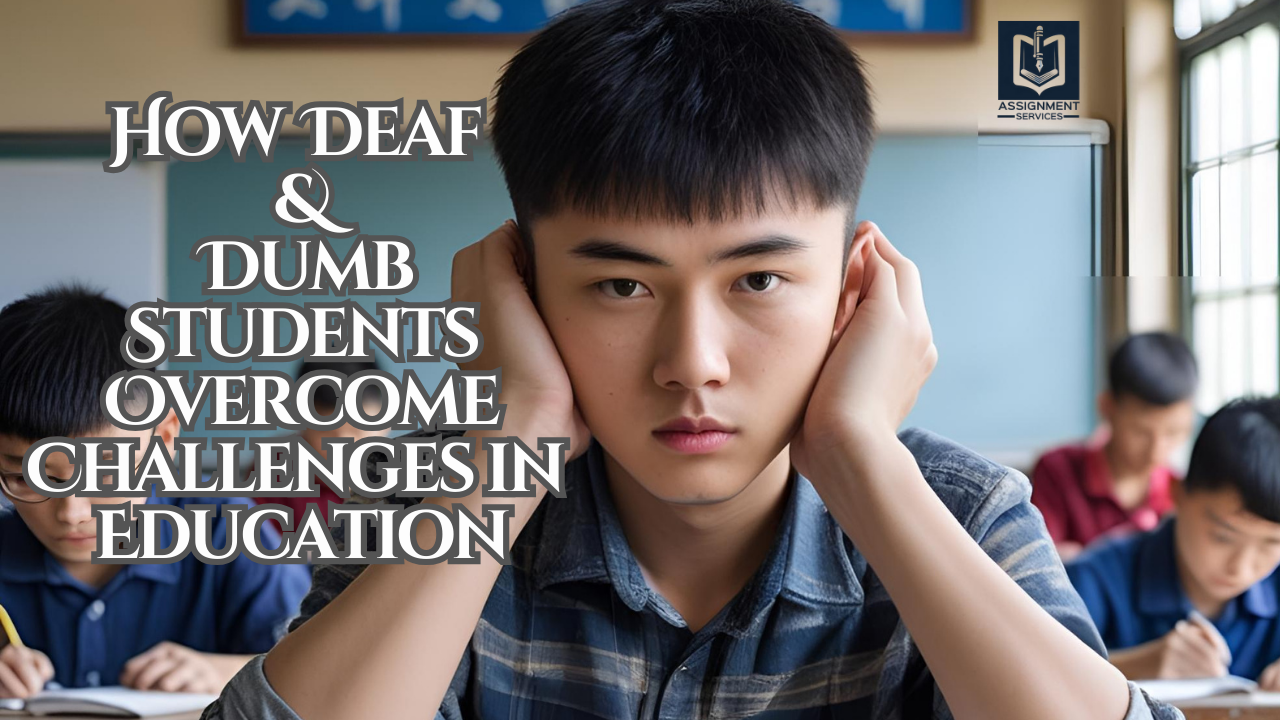
If you can listen, you can talk, you are the most blessed individual in the world, because every student can not hear and speak. Some are born deaf, and some can not speak due to some kind of health issue. But it doesn't mean they do not study or they can not learn. They are like other students, who want to learn and succeed. You must be wondering how these sorts of students do their assignments and educational tasks. It is true that they have to face many problems in their educational journey. Still, many of them complete their studies. They work hard. They use smart tools. And learn from trained teachers. However, In this article we will talk about the problems they face and how they overcome them.
The Challenges and hurdle Deaf And Dumb Students Face
The students who are unable to hear and speak are called deaf & dumb or mute students. They are either special children from birth or by any mishap. Let's see challenges they have to face in their educational journey.
Communication Problems
The No.1 and biggest problem is communication. Most teachers speak, and most lessons are given by talking. But deaf and dumb students cannot hear or speak. This makes learning very hard for them. They cannot ask questions. They cannot join class discussions.
Lack of Trained Teachers
Secondly, many schools don’t have teachers who know sign language. Teachers may not know how to explain things using pictures or actions. This makes it hard for deaf students to understand the lessons. They often fall behind because they don’t get the full information.
Feeling Left Out
Unfortunately, deaf and mute students often feel isolated. Because they cannot talk and chit chat with classmates. They cannot join group talks. This can make them feel lonely. They may not take part in school activities. This affects their confidence and mental health.
Limited Learning Tools
Another big hurdle is some schools do not have the right tools. There may be no subtitles on videos. No apps to support learning. No notes written in easy language. These missing tools make learning difficult for special students.
Bullying and Lack of Awareness
Sadly, some students make fun of those who are different. Deaf and mute students may get bullied. Unfortunately, other kids may not understand their condition. This makes them feel unwanted or shy.
How They Overcome These Problems
Despite all these problems, many deaf and dumb or mute students do well in their studies. Here is how they do it.
Sign Language
The good thing is most of these students learn sign language early in life. Sign language helps them talk using hands and expressions. They use this at school and home. Some schools teach all subjects in sign language. This makes learning easier for them.
Family Support
On the other hand, family plays a big role. Parents learn sign language to talk to their child. They encourage the child to study. They help with homework. This emotional support builds confidence in the student.
Special Teachers and Schools
However, some students go to special schools. In these schools, all teachers know sign language. Lessons are taught using pictures, videos, and written notes. These schools help students learn in a friendly way.
Technology Tools
No double, technology helps a lot. Students use tablets with special apps. These apps teach through images and short texts. Many use captioned videos for better understanding. Some take online classes with subtitles.
Moreover, when they have to write essays or assignments, some use essay help websites. These services help them write better and save time.
Hard Work and Dedication
Deaf and mute students are very hardworking. They know learning is tough for them, but they never give up. They try again and again. They spend extra hours on study. This strong willpower helps them achieve their goals.
Joining Online Communities
Some students join online groups of deaf learners. These communities offer support, share tips, and motivate each other. They also share good resources and learning methods.
What Are More Actions That Should Be Taken
- All schools should train teachers in basic sign language. Even a little training helps teachers talk to deaf students.
- Schools can use videos, pictures, and charts more often. These help deaf students learn better.
- Deaf and dumb students should be included in sports, events, and group work.
- Governments and schools should give free or low-cost devices like tablets. They should provide apps made for deaf and mute students.
- Workshops and campaigns can help others understand how to talk and support them.
- Non-profit groups can give free classes and learning kits.
Conclusion
Finally in conclusion we admit that deaf and dumb students are strong and smart. But they face many problems in getting an education. Such as communication, lack of tools, and so on. But still, they do not give up. With support from family, teachers, and technology, they overcome these problems.
Every child has the right to learn. Let’s create a world where no one is left behind in school!